Fresh Ideas for Spring Classroom Party Activities That Inspire Learning
Spring is more than just a change in weather—it’s a season filled with growth, color, and renewed energy. In the classroom, spring offers a wonderful opportunity to refresh routines, re-engage students, and celebrate learning in a joyful way. After months of winter structure, students are ready for creativity, movement, and hands-on experiences that reflect the excitement of the season.
A spring classroom party is not just about fun—it’s a powerful teaching moment. When thoughtfully planned, spring celebrations can support academic goals, social-emotional development, creativity, and collaboration. Whether you teach kindergarten, preschool, or elementary grades, spring-themed activities allow students to learn through play, exploration, and imagination.
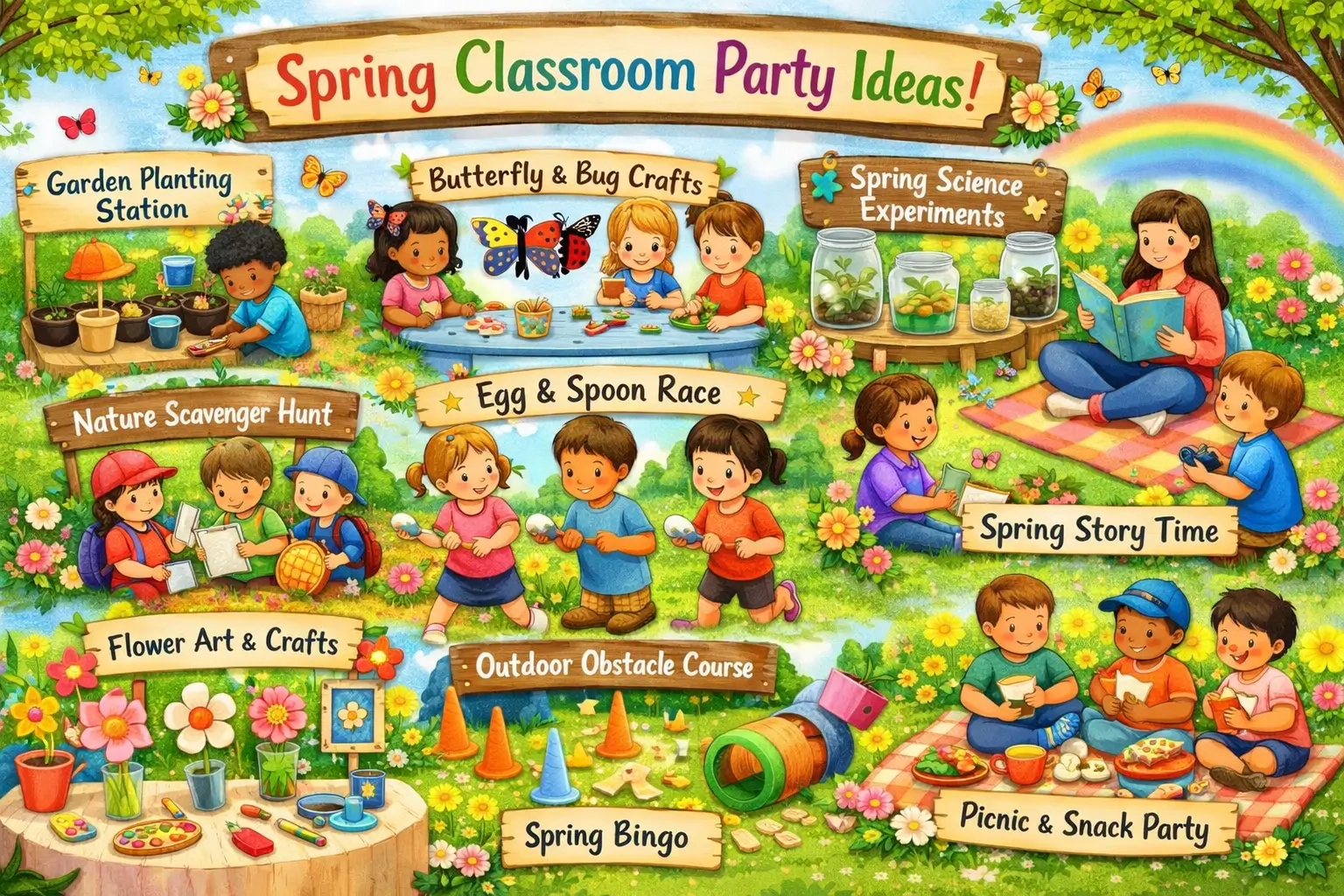
Below are creative spring party classroom ideas, each carefully designed to combine seasonal fun with meaningful learning. These ideas are flexible, budget-friendly, and easy to adapt for different age groups, making them perfect for teachers who want a celebration that feels special without being overwhelming.
A Celebration of Color and Transformation
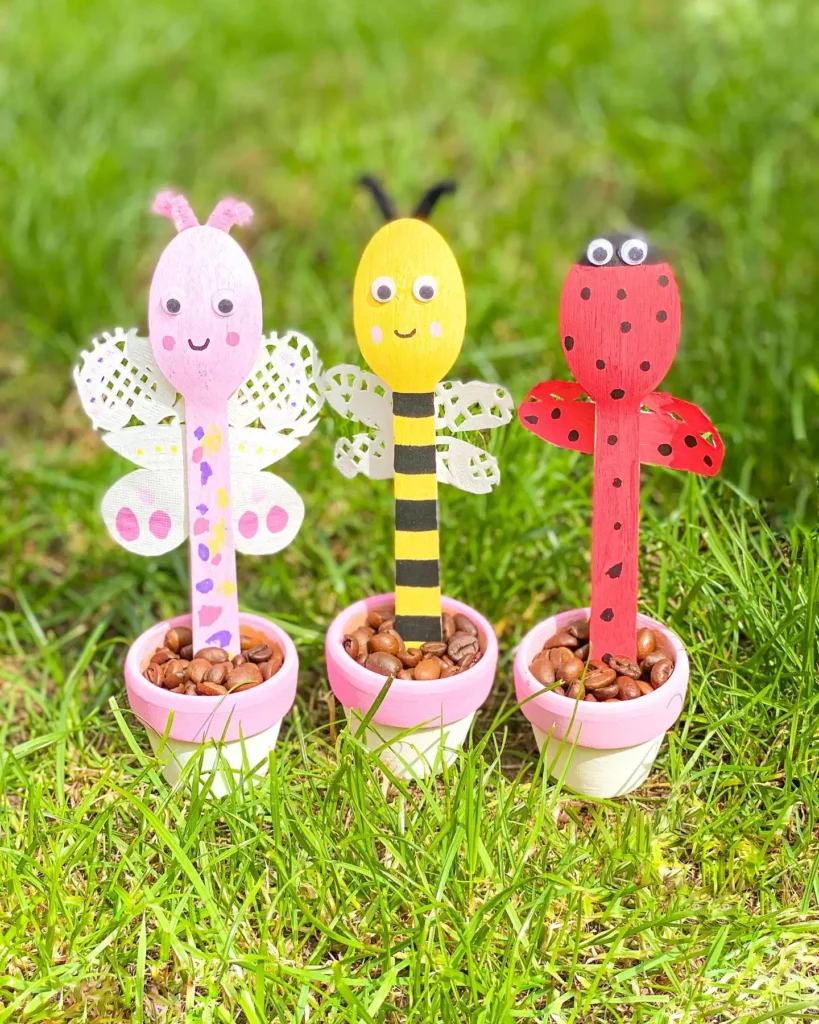
Butterflies are one of the most beautiful symbols of spring, making them a perfect theme for a classroom party. A butterfly art studio allows students to explore creativity while learning about transformation and life cycles. Set up art stations with coffee filters, watercolor paints, washable markers, pipe cleaners, and spray bottles.
Students can color coffee filters, lightly spray them with water, and watch the colors blend naturally—an excellent introduction to color mixing and cause-and-effect. Once dry, the filters can be folded and secured with pipe cleaners to create butterflies with antennae.
This activity is especially powerful when paired with a simple science lesson about metamorphosis. Students begin to understand how caterpillars transform into butterflies, connecting art with real-world science. The finished butterflies can be hung from the ceiling, placed on bulletin boards, or strung together to form classroom mobiles.
Beyond creativity, this activity builds fine motor skills, patience, and pride in personal work. The classroom instantly feels brighter and more welcoming, reinforcing the feeling that spring has truly arrived.
Building a Kinder Classroom
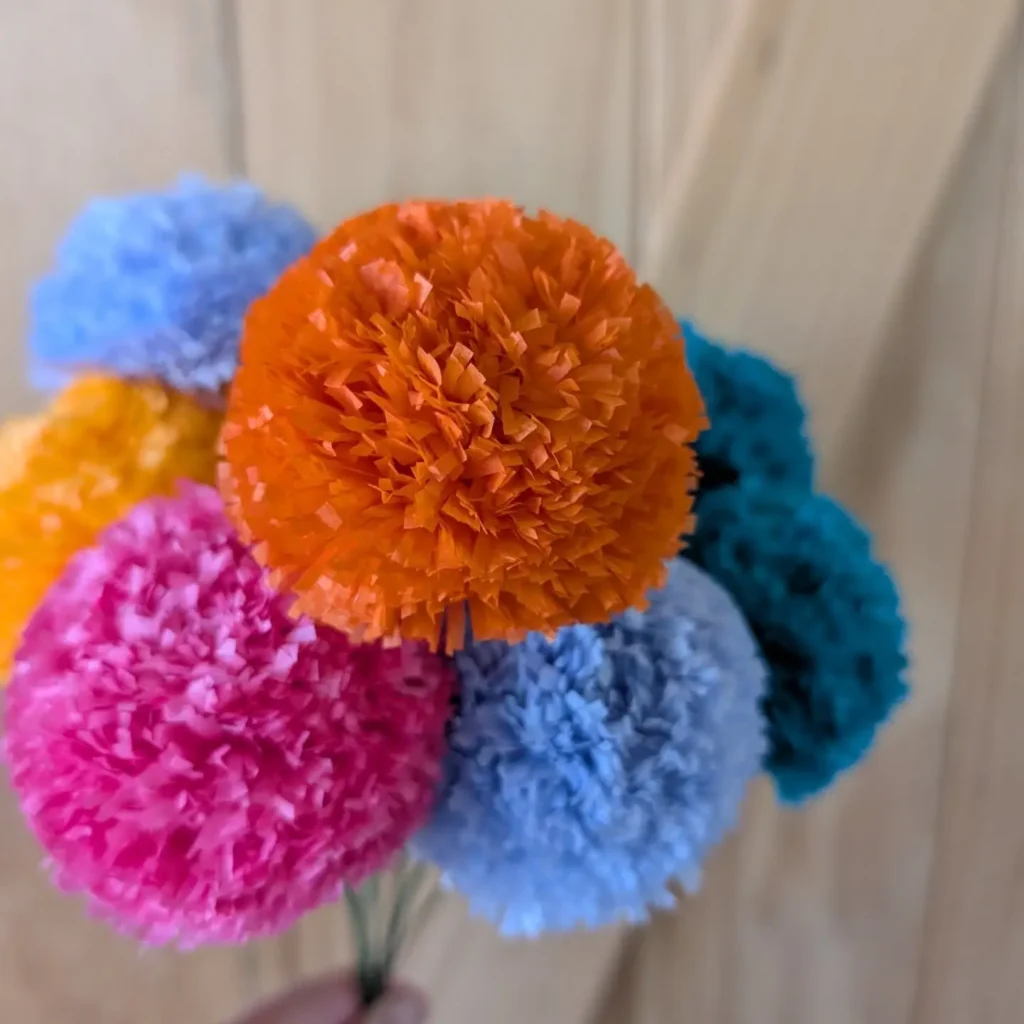
Spring is the perfect time to nurture kindness and community. A friendship flower exchange encourages students to recognize and celebrate one another. Using tissue paper or construction paper, students create flowers in bright spring colors. On each stem, they write a kind note, compliment, or positive message.
During the party, students exchange flowers with classmates, slowly building a full bouquet that represents the entire classroom community. This simple activity has a powerful emotional impact, helping students feel valued and seen.
Teachers can extend the learning by discussing empathy, gratitude, and positive communication. For younger students, sentence starters can be provided to support writing. Older students may enjoy writing short poems or reflections about friendship and teamwork.
The bouquets can be taken home as keepsakes, reminding students that learning is not just academic—it’s also about relationships. This activity strengthens classroom bonds and sets a positive tone for the remainder of the school year.
Learning in Motion
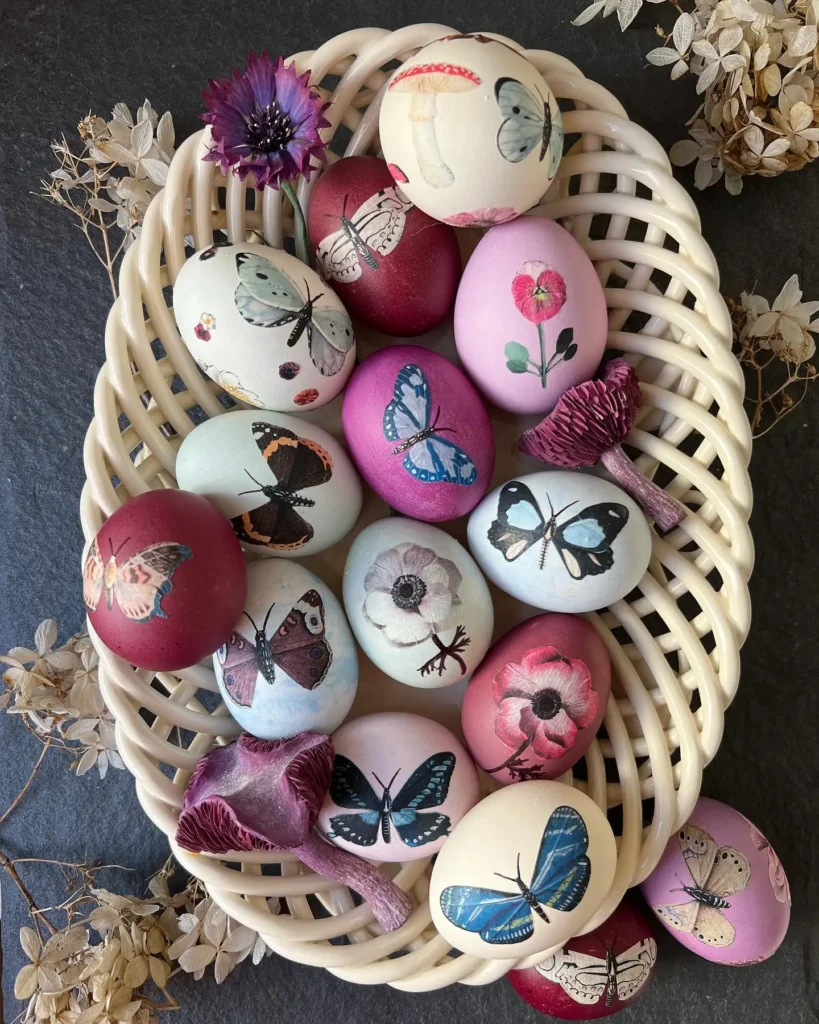
Few activities generate excitement like an egg hunt, and with a small twist, it can become a valuable learning tool. Fill plastic eggs with academic challenges such as math problems, sight words, vocabulary questions, science facts, or short riddles.
Hide the eggs around the classroom or outdoor play area. Students search for eggs and complete the task inside before moving on. This encourages movement, problem-solving, and engagement while reinforcing essential skills.
To adapt for different levels, color-code eggs by difficulty or subject. Team-based hunts encourage collaboration and peer learning. Small rewards like stickers or bonus points add motivation without distracting from learning.
This activity is especially effective for kinesthetic learners who benefit from movement. It keeps energy high while maintaining structure, making it a perfect balance between fun and education during a spring classroom celebration.
Spring Glow Party for Sensory Fun
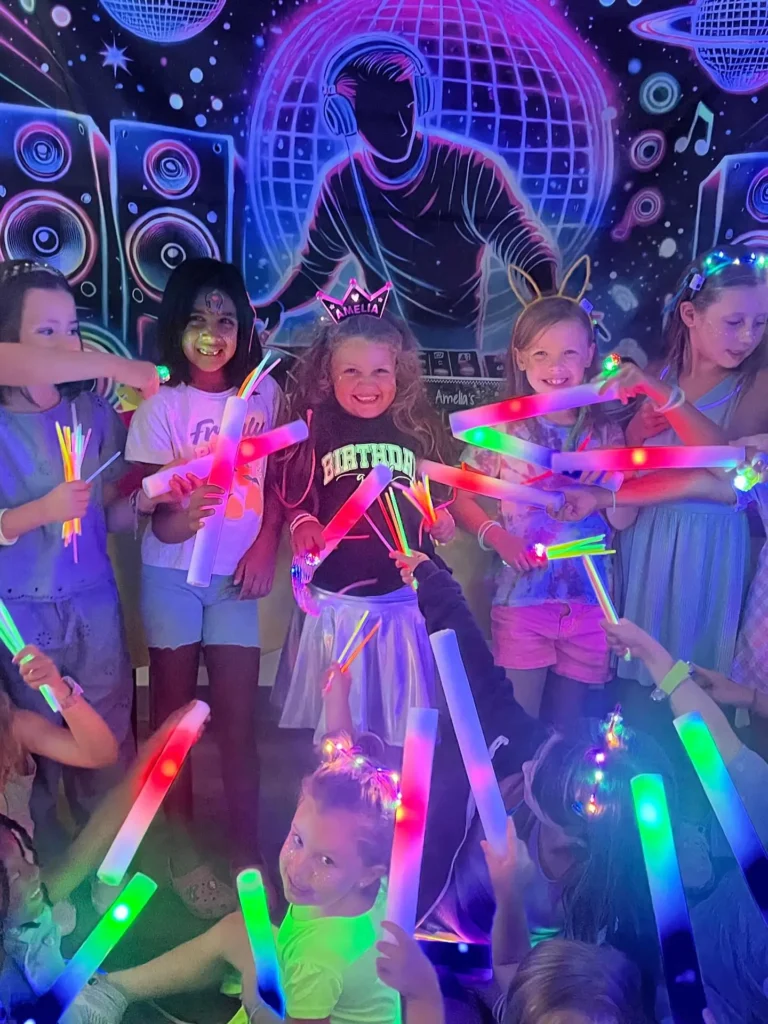
A glow-in-the-dark spring party adds an unforgettable element of surprise to your classroom celebration. This idea works exceptionally well because it transforms a familiar environment into something completely new and exciting, instantly capturing students’ attention. By using glow sticks, neon paper, fluorescent paint, and safe UV or black lights, you can create a glowing spring wonderland filled with flowers, butterflies, stars, and rainbows.
Begin by having students create spring-themed artwork on black or dark-colored paper using glow paints or neon markers. When the lights are dimmed, their artwork comes alive, creating a magical moment that sparks wonder and curiosity. You can also organize glow-based activities such as a glowing scavenger hunt, where students search for hidden neon shapes, letters, or numbers around the room. This keeps learning active while still feeling playful.
For movement breaks, introduce a short glow-stick dance session using calm spring-themed music, allowing students to release energy in a controlled way. Teachers can also connect this activity to science by explaining how fluorescent materials reflect light and why they glow in darkness. This party idea is especially engaging for visual and sensory learners and helps students associate learning with excitement. The glow-in-the-dark spring party becomes a highlight of the school year that students talk about long after spring has passed.
Plant Growth Flip Books
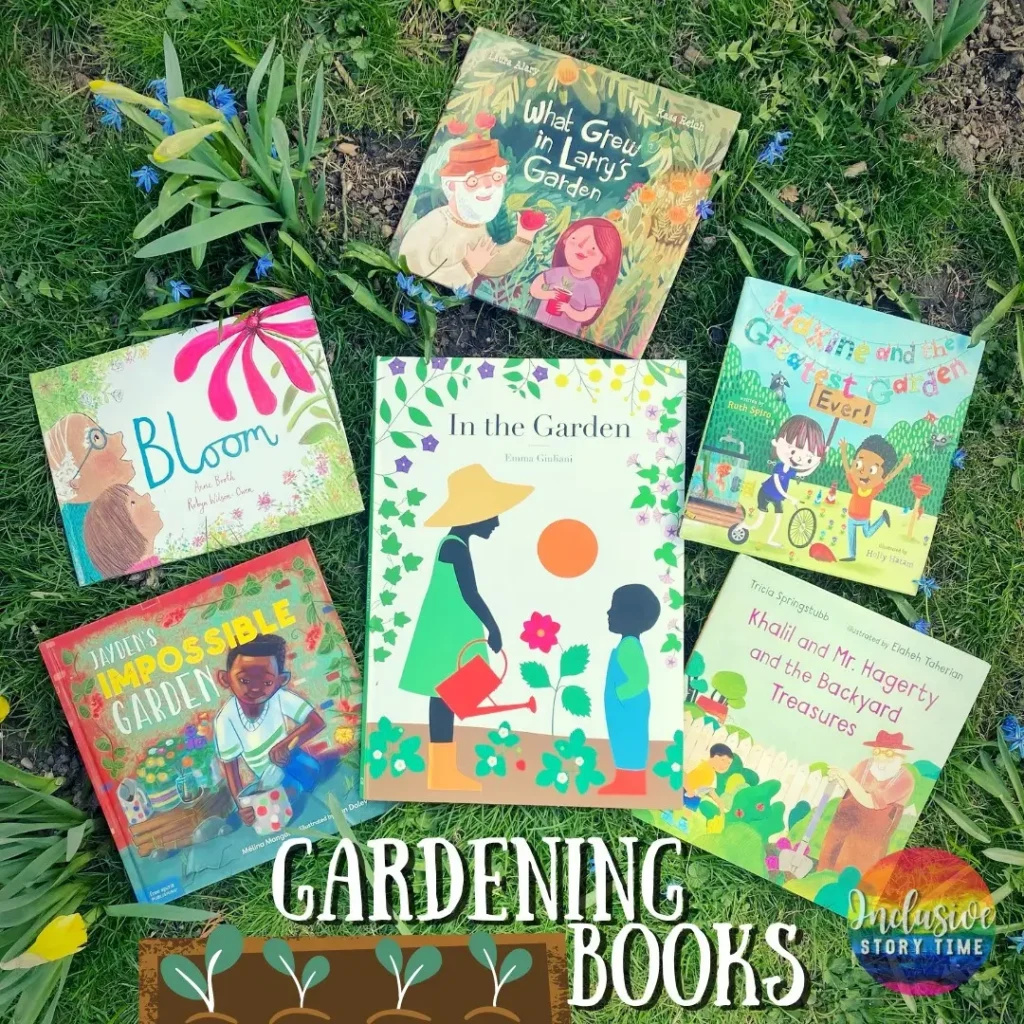
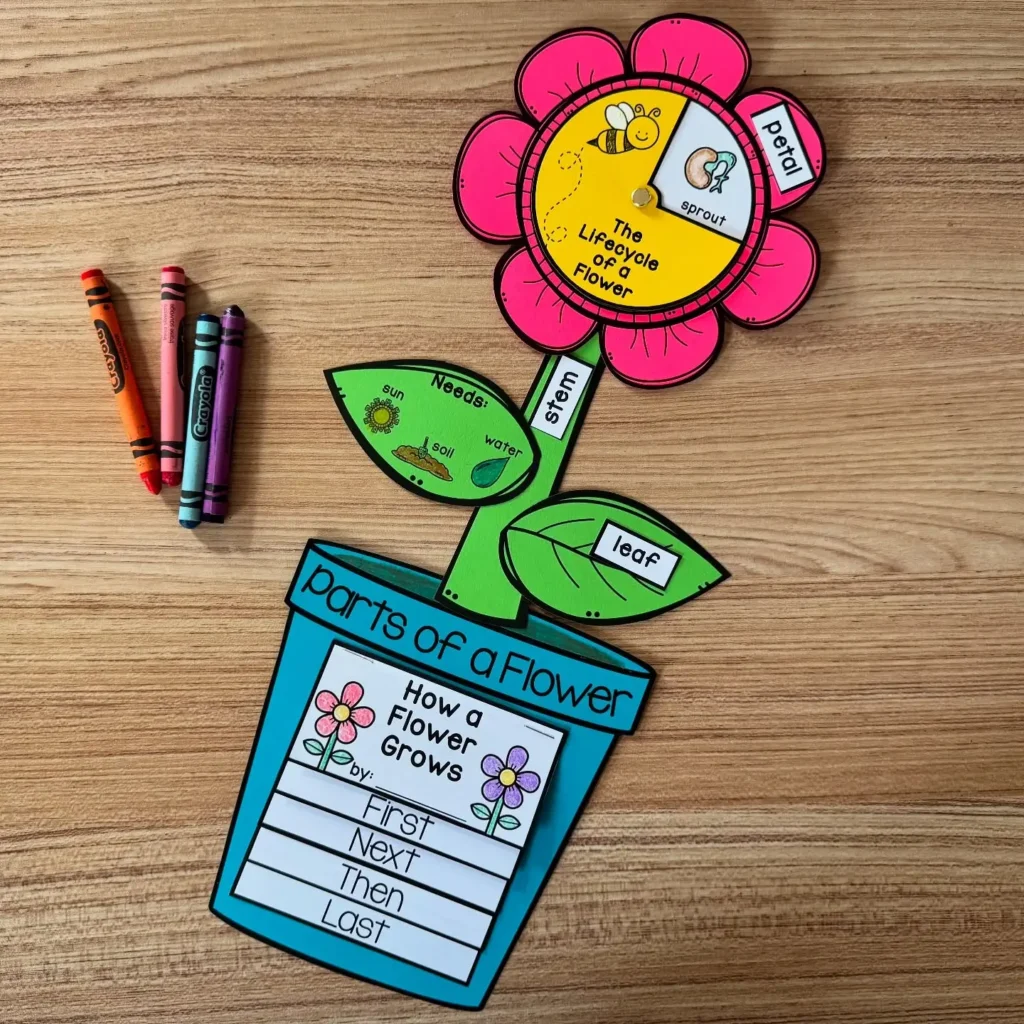
Plant growth flip books are a beautiful blend of art, storytelling, and science. In this activity, students create small booklets that visually show the journey of a plant from seed to full bloom. Each page represents a new stage of growth, allowing students to understand sequencing, cause-and-effect, and the natural life cycle of plants in a hands-on way.
Students begin by drawing a seed in soil, then gradually add roots, stems, leaves, and flowers across the pages. When flipped quickly, the drawings create an animated effect that makes learning feel magical. This process reinforces observation skills and helps students remember scientific concepts more effectively than worksheets alone. Teachers can provide real plant examples or pictures as references to support accuracy and understanding.
Flip books also encourage creativity, as students can personalize their stories by adding sunshine, rain, insects, or gardeners. Once completed, students can present their flip books to classmates, explaining each stage of growth in their own words. This builds confidence, communication skills, and comprehension. Displaying the flip books on a classroom shelf or bulletin board adds an educational decorative element while celebrating student work. These flip books often become treasured take-home projects that families love to see.
Animal Charades for Spring Fun
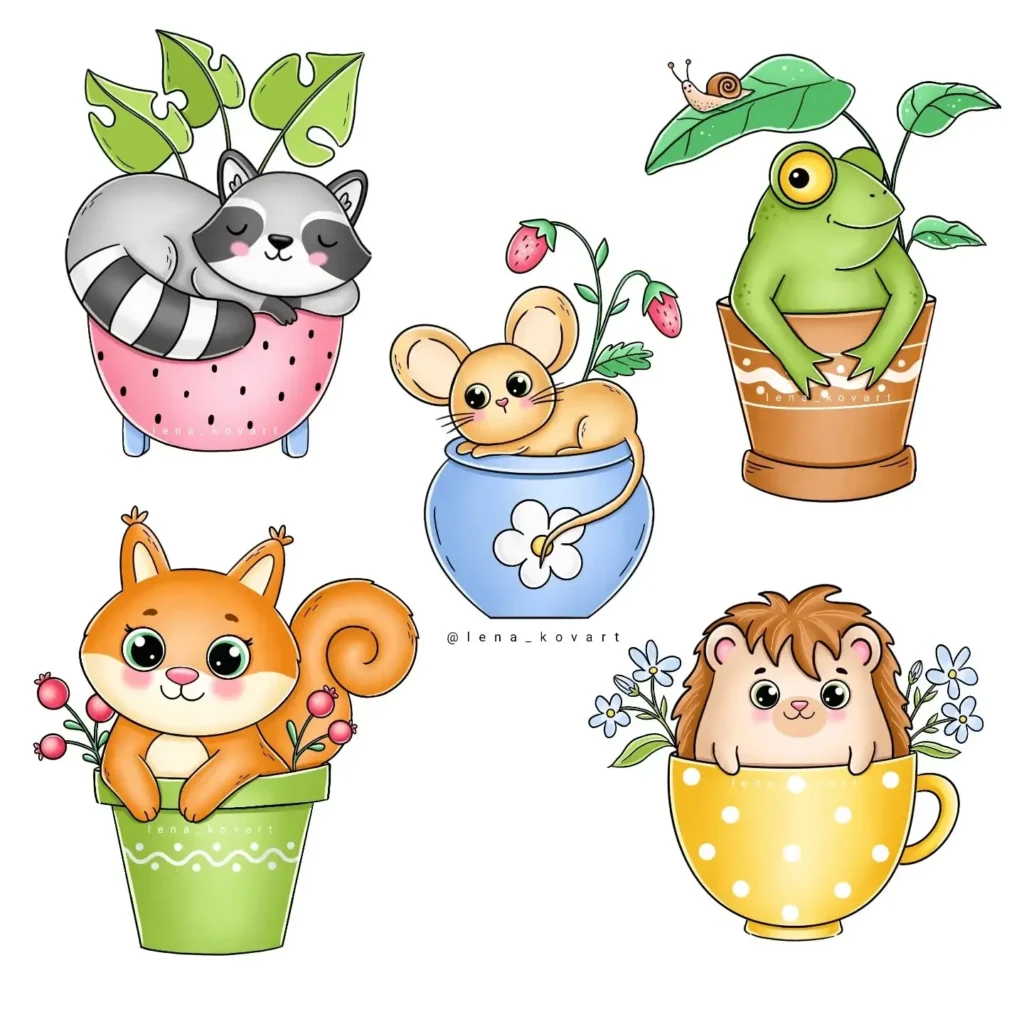
Spring animal charades is a lively and engaging activity that brings laughter, movement, and learning together. During spring, animals become more active, and many baby animals are born—making this theme both seasonal and educational. Students take turns acting out animals such as rabbits hopping, birds flapping, frogs jumping, bees buzzing, or lambs walking gently.
This activity works well because it requires minimal materials while encouraging physical movement and imagination. Charades help students develop body awareness, confidence, and expressive skills. For younger students, animal sounds can be allowed, while older students can be challenged to act silently for a greater level of difficulty.
Teachers can extend learning by discussing animal habitats, diets, and behaviors after each round. Adding simple animal fact cards enhances vocabulary and science knowledge. Spring animal charades also serve as an excellent brain break during longer classroom parties, helping students release energy while remaining focused. Because it involves teamwork and guessing, it naturally builds cooperation and social interaction. This activity ensures that learning remains active, joyful, and connected to the season.
Mother’s Day Love in Handprints
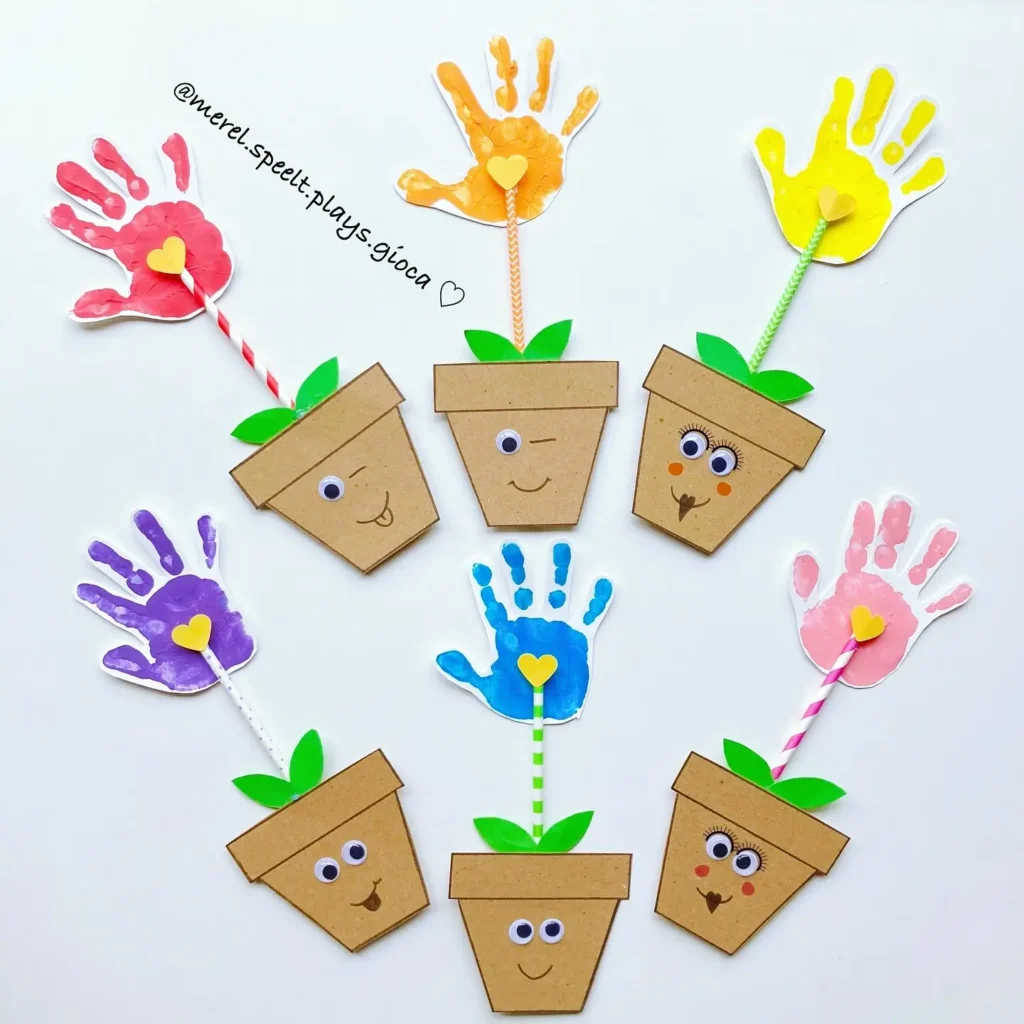
Mother’s Day handprint art is a meaningful spring activity that blends creativity with emotional expression. Using paint, markers, or ink pads, students trace or stamp their hands onto paper or cardstock and transform them into flowers, trees, butterflies, or bouquets. Each piece becomes a unique keepsake that families cherish for years.
Inside the card, students can write messages, short poems, or lists of things they appreciate about their mothers or caregivers. This activity strengthens writing skills while encouraging gratitude and emotional awareness. Teachers should offer flexibility for students who may not have a traditional mother figure, allowing them to create gifts for grandmothers, guardians, or special loved ones instead.
Handprint art also supports fine motor development and creativity. Displaying the artwork in the classroom before sending it home builds excitement and pride. This activity connects school learning with home life, reinforcing the idea that education extends beyond academics. It’s a gentle, heartfelt way to celebrate spring while nurturing emotional intelligence and empathy in young learners.
Succulent Potting for Caring Hands
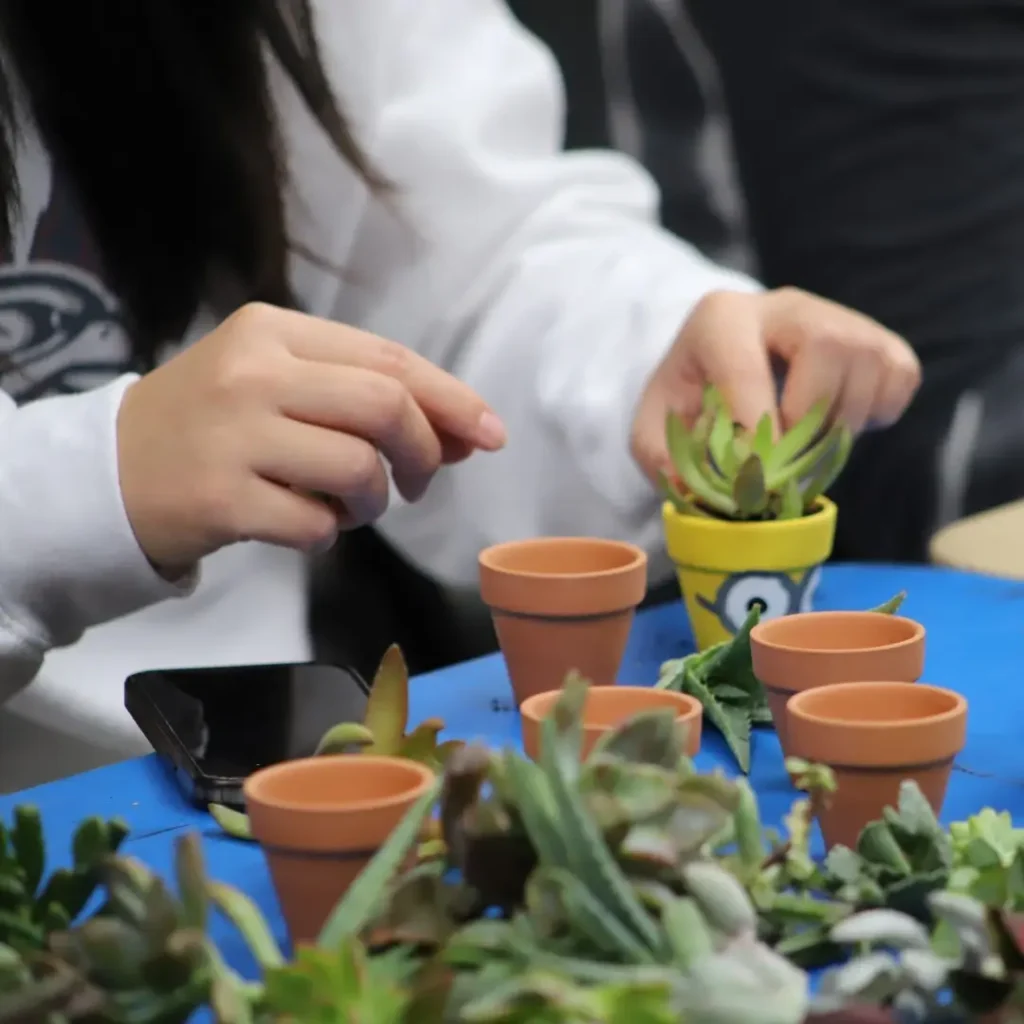
A succulent potting station is one of the most meaningful spring party classroom ideas because it allows students to care for something living. Unlike paper crafts, plants continue growing long after the celebration ends, making this activity both memorable and educational. Succulents are ideal for classrooms since they are low-maintenance, require minimal watering, and thrive in small containers.
Set up a planting station with small pots, soil, spoons, and assorted succulents. Begin by explaining basic plant needs—sunlight, water, and care—using age-appropriate language. Students then fill their pots, gently plant their succulent, and decorate the container using paint, stickers, or markers. This process strengthens fine motor skills while encouraging focus and patience.
To extend learning, provide simple care instruction cards students can follow. Teachers can turn this into an ongoing science activity by allowing students to observe changes over time and record growth in journals. The plants can remain in the classroom as calming desk décor or be taken home as gifts for families. This activity builds responsibility, confidence, and environmental awareness, making it a powerful spring learning experience beyond just party fun.
Healthy Bunny Snacks for Creative Kids
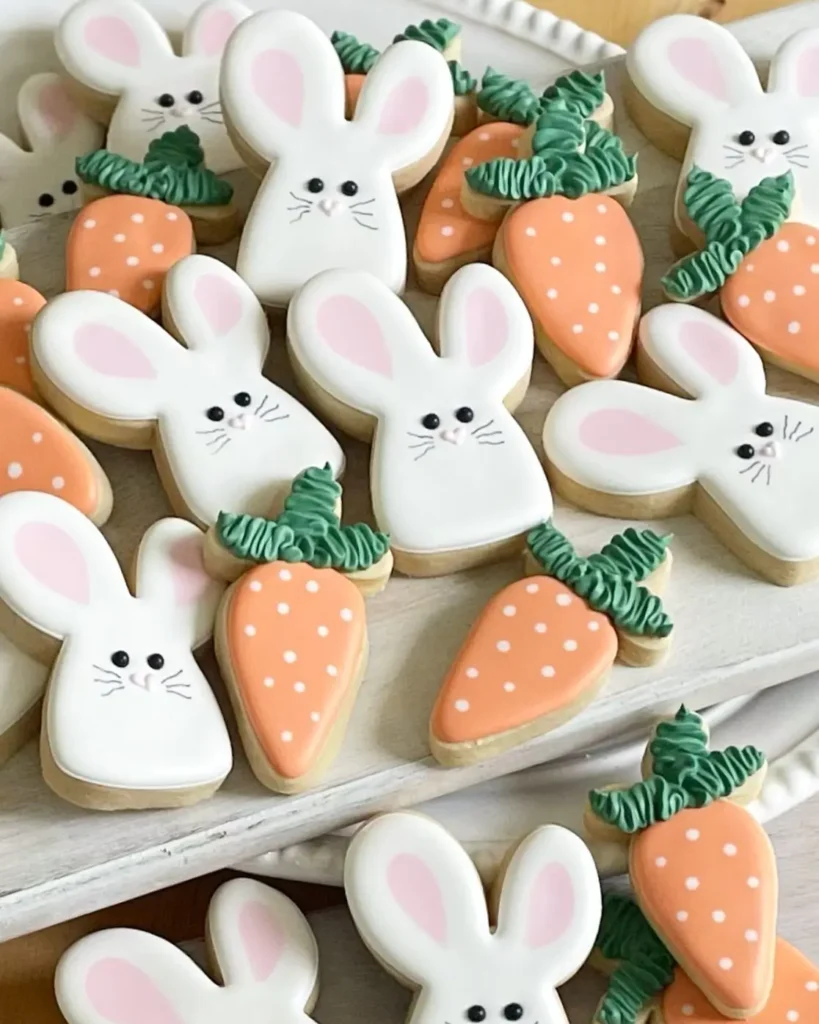
The bunny snack workshop blends creativity, nutrition education, and fine motor skill development into one joyful spring activity. Students use healthy ingredients to design bunny faces on rice cakes, crackers, or tortillas, turning snack time into an engaging learning moment. Common ingredients include pretzel sticks for whiskers, raisins or berries for eyes, carrot slices for ears, and cream cheese or hummus as a base.
Before beginning, teachers can briefly discuss healthy food choices and where these foods come from. This reinforces nutrition awareness while keeping the activity light and fun. Students carefully place each ingredient, strengthening hand-eye coordination and concentration.
Math skills can also be incorporated by counting pieces, comparing quantities, or creating symmetrical designs. To ensure inclusivity, allergy-friendly alternatives should be provided and ingredients clearly labeled. Once finished, students can present their bunny creations to classmates, building confidence and communication skills.
This activity encourages creativity without excess sugar and helps students associate healthy food with enjoyment. It’s an excellent way to combine spring celebrations with life skills that extend beyond the classroom.
Kite Decorating Corner for Creative Outdoor Learning
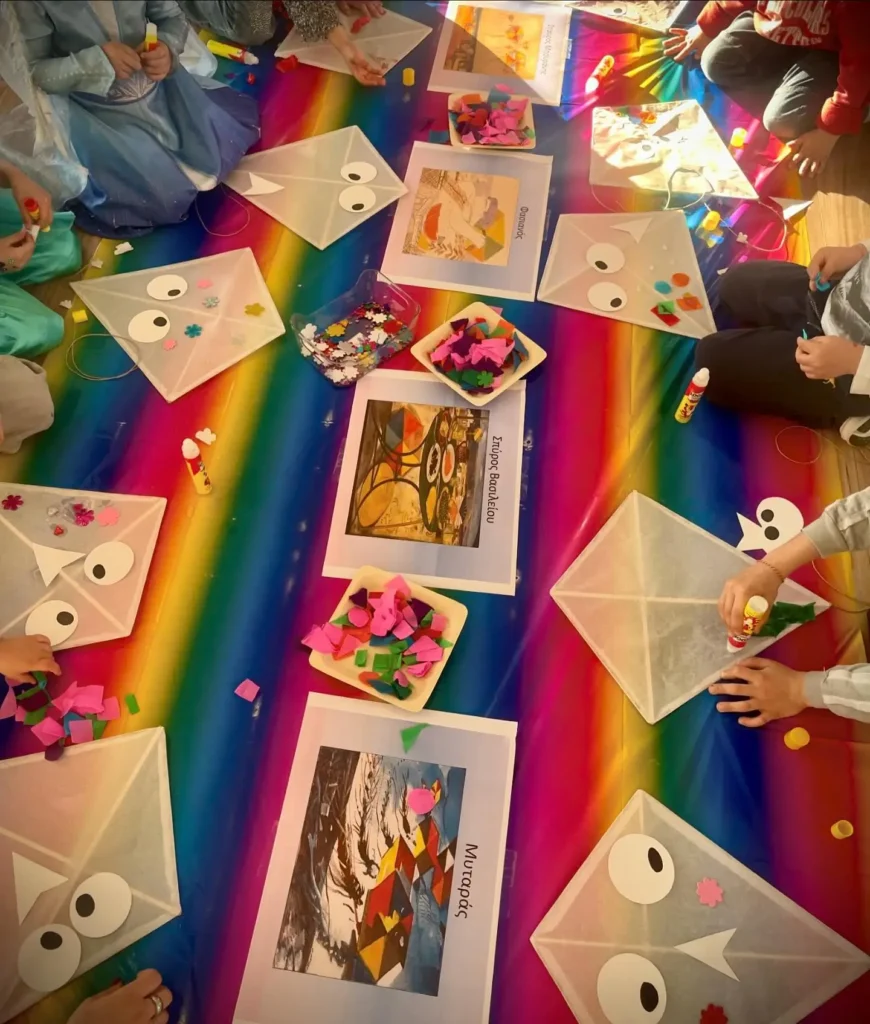
Kite decorating is a classic spring activity that beautifully combines creativity with early science concepts. Spring breezes make kites symbolic of the season, and decorating them allows students to express themselves artistically while learning about wind and movement. Provide pre-made paper kites or allow older students to assemble simple ones using sticks and string.
Students decorate their kites using markers, paint, ribbons, and streamers, often choosing spring-inspired designs like flowers, sunshine, butterflies, or rainbows. This creative freedom encourages individuality while strengthening artistic confidence. Teachers can introduce simple discussions about how wind helps kites fly and why tails help with balance.
If weather permits, taking students outside to test their kites creates an exciting hands-on STEM experience. Indoors, decorated kites can be displayed from ceilings or walls, creating a dynamic spring classroom atmosphere. This activity promotes curiosity, creativity, and movement, making learning feel active and joyful.
Pretend Farm Play That Builds Social Skills
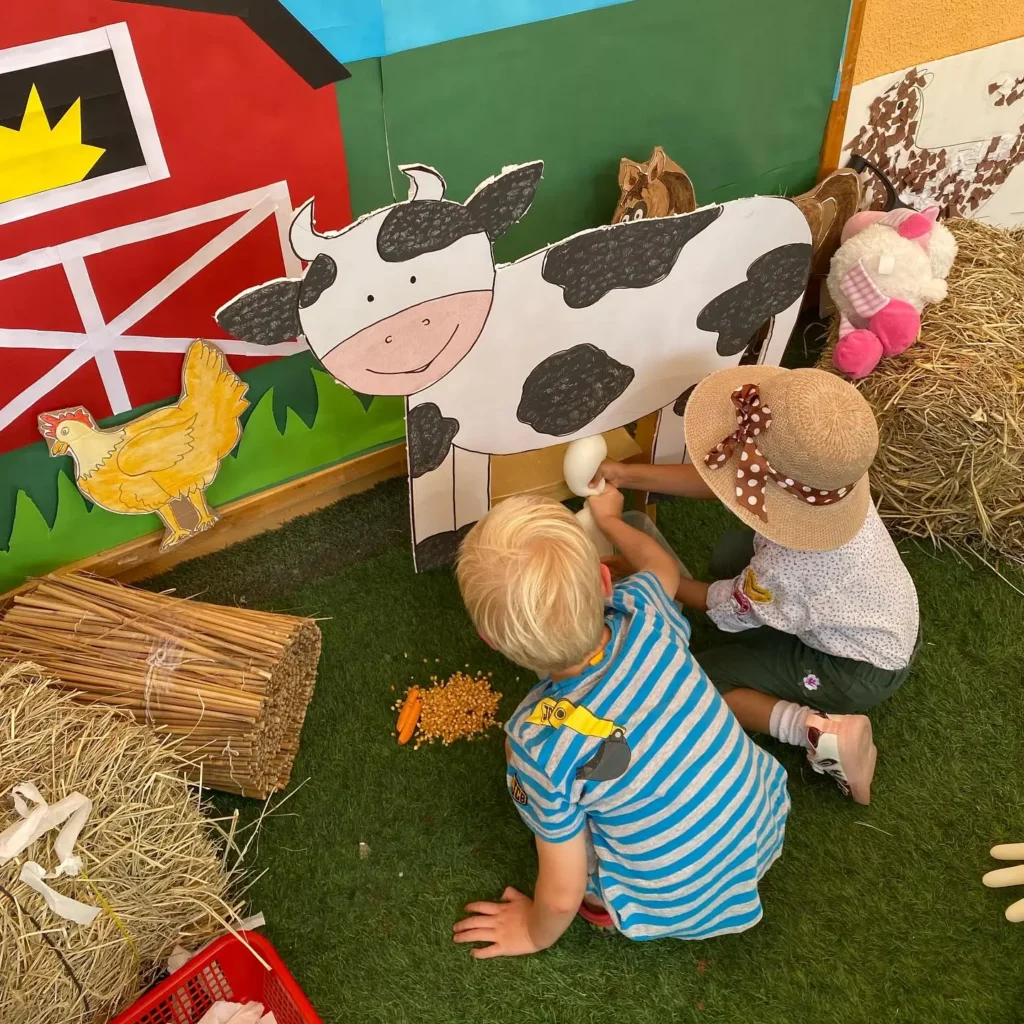
The farm animal dress-up station supports imaginative play while reinforcing spring themes, as many farm animals are born during this season. Students create simple costume pieces such as ears, tails, beaks, or masks using paper, felt, headbands, and elastic. They then “become” animals like chicks, lambs, ducklings, or calves.
This dramatic play encourages storytelling, cooperation, and language development. Once dressed, students can participate in themed games like “Farmer Says” or act out simple farm scenes. Teachers can connect the activity to discussions about animal habitats, food sources, and farm life.
A photo booth with farm-themed props adds excitement and helps capture memories. Dress-up activities build confidence and creativity while allowing students to explore roles in a safe and playful way. It’s especially effective for younger students who learn best through imaginative exploration.
Nature-Inspired Spring Poetry Walk
A spring sensory poetry walk is a calming yet powerful way to blend outdoor exploration with literacy learning. Students step outside and focus on observing spring using all five senses—listening to birds, feeling warm air, smelling flowers, and noticing colors around them.
After returning to the classroom, students write poems, descriptive sentences, or short paragraphs inspired by their observations. Teachers can introduce simple poetry structures like acrostic poems, haikus, or free verse depending on grade level. Students may also illustrate their writing with drawings or watercolors.
This activity strengthens vocabulary, descriptive writing, and mindfulness. Displaying the poems in the classroom or hallway celebrates student voice and creativity. The sensory poetry walk encourages students to slow down, observe carefully, and connect emotionally with their environment, making it one of the most enriching spring classroom activities.
Bean Seedling Gardens with Hands-On Science in Action
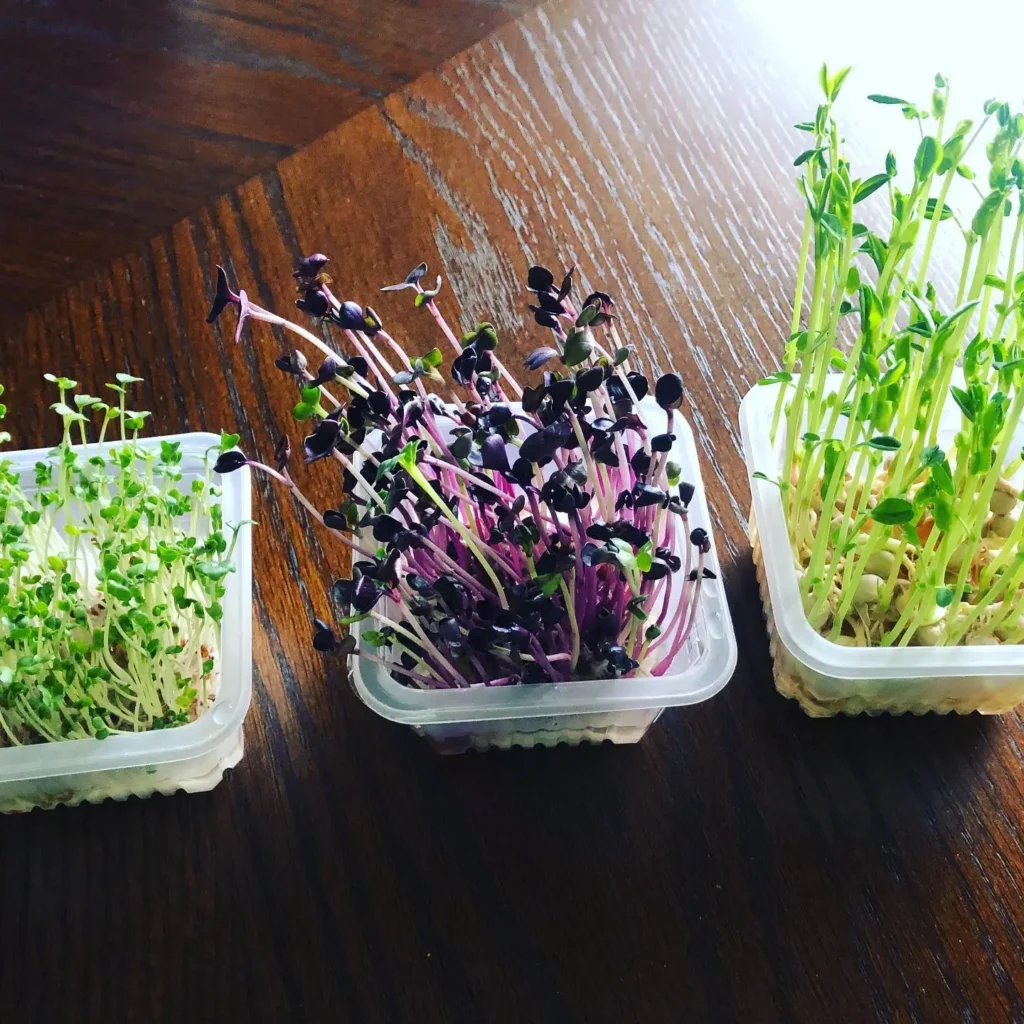
Bean seedling gardens are a timeless spring classroom activity that allows students to witness plant growth firsthand. Using clear cups or recycled containers, students plant bean seeds in soil, making root and stem development visible. This creates excitement as students eagerly check their plants each day.
Teachers can guide students to observe changes, measure growth, and record findings in journals. This builds foundational scientific skills such as observation, prediction, and data collection. Students develop patience and responsibility as they care for their plants.
The seedlings also serve as living classroom decorations, bringing nature indoors. Eventually, students can take their plants home or transplant them into a school garden. This activity connects science learning with real-life experience, making it meaningful and memorable.
Painted Terracotta Pots with Creative Expression with Purpose
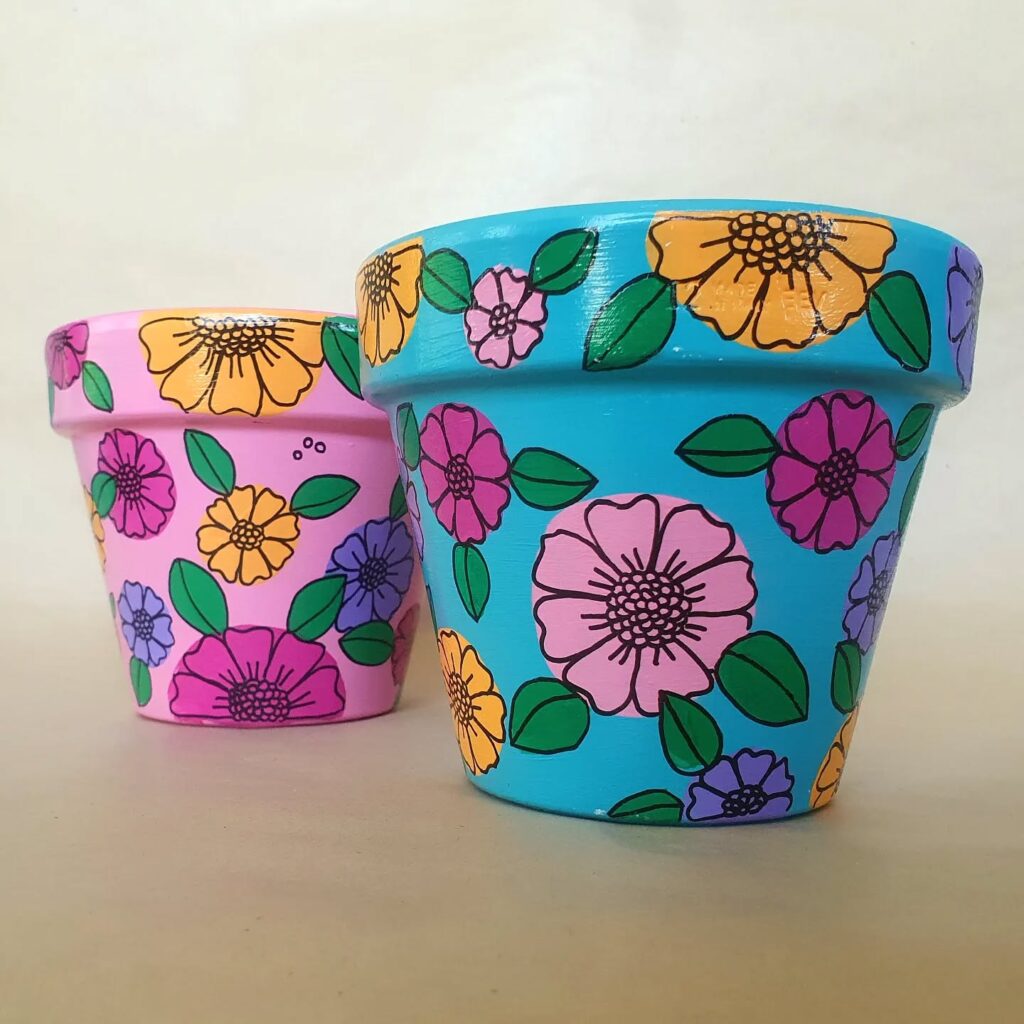
Painting terracotta pots allows students to explore color, pattern, and personal style while creating something functional. Each student designs a pot using acrylic paints, choosing patterns such as stripes, dots, flowers, or abstract designs. This supports creativity and fine motor development.
Teachers can discuss basic design concepts like symmetry or color contrast. Once sealed, the pots can hold plants, pencils, or classroom supplies. These versatile creations can also be gifted to families.
Displaying the finished pots adds warmth and personality to the classroom environment. This activity values creativity while producing lasting results, helping students feel proud of their work.
Kindergarten Flower Wall
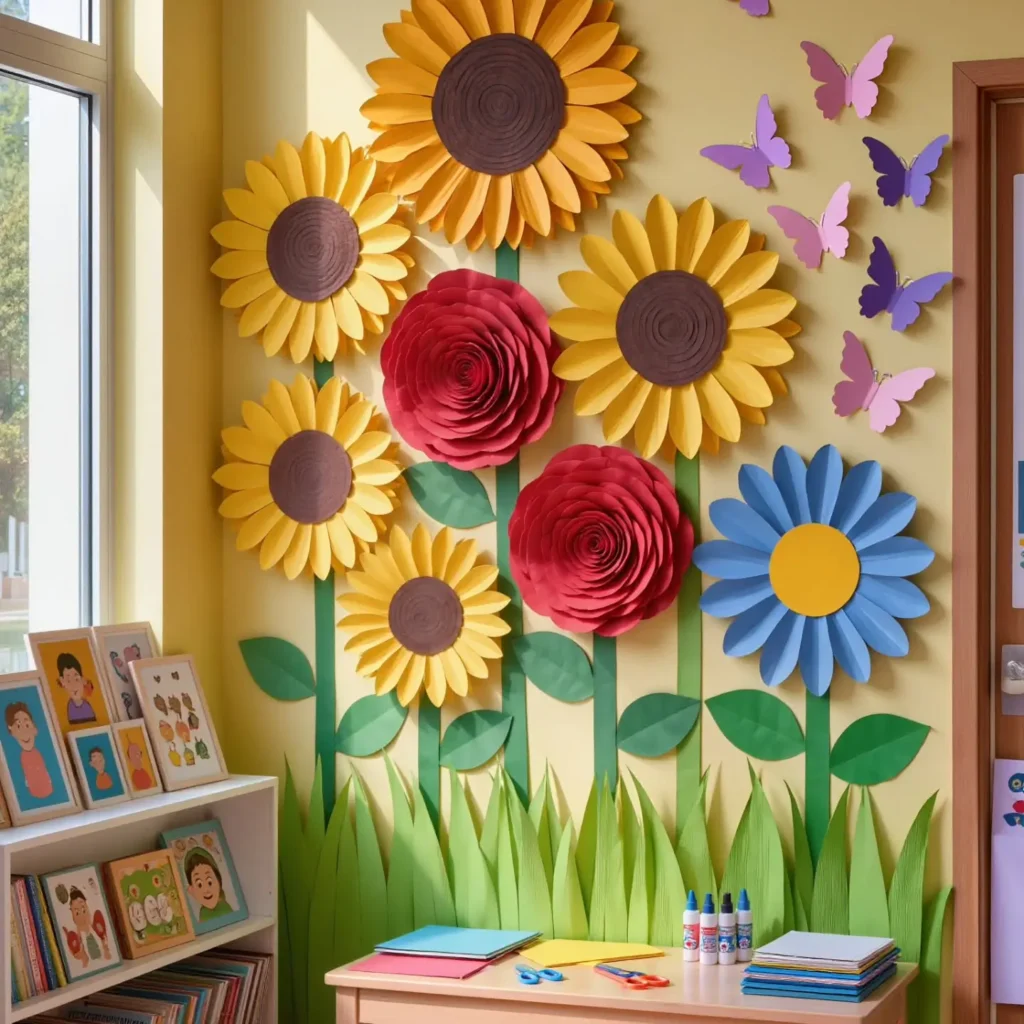
The kindergarten flower wall is a collaborative spring project that celebrates both individual creativity and classroom unity. Each student creates a flower using paper, tissue, or craft materials. Flowers are displayed together to form a large garden mural.
Teachers can add student names, photos, or kind words to each flower, reinforcing belonging and self-esteem. This shared artwork becomes a visual reminder of growth, teamwork, and springtime joy.
The flower wall also supports early learning skills such as color recognition, counting, and pattern-making. Ending the spring party with this collaborative activity leaves students with a sense of pride and accomplishment, making it a perfect closing celebration.
Final Thoughts
Spring is a season filled with renewal, growth, and positive energy, making it the perfect time to refresh classroom routines and reconnect students with joyful learning experiences. A thoughtfully planned spring classroom party goes far beyond simple celebration—it creates meaningful moments where creativity, curiosity, and collaboration come together. Through hands-on activities like planting, crafting, movement-based games, and sensory exploration, students engage deeply with learning while naturally developing social, emotional, and academic skills. These experiences help students feel more connected to their classmates and their learning environment, turning the classroom into a space where enthusiasm and imagination can thrive.
More importantly, spring classroom celebrations leave lasting impressions. When students see their artwork displayed, care for living plants, or work together on shared projects, they develop confidence, responsibility, and a strong sense of belonging. These small but powerful moments reinforce that learning can be exciting, supportive, and meaningful. With simple materials and thoughtful planning, teachers can create spring parties that inspire students long after the decorations are taken down. By embracing the spirit of the season, educators help students grow not only academically, but emotionally and creatively—just like the world blooming around them 🌸